The Horn

The Horn tells the story of Chuma and Maria, a married couple living and working in rural Zimbabwe. They are grounded, capable and deeply bonded. Their life is not glamorous but it is stable, dignified and built with purpose.

When their daughter becomes critically ill, that stability fails. Chuma, whose job is to protect one of the last remaining rhinos in the region, is presented with an impossible choice, preserve a species, or sacrifice it to save his family.

What follows is not a tale of heroes or villains, but of moral erosion when a man is forced to cross a line he can never return from.
02

Male, 40's

Chuma

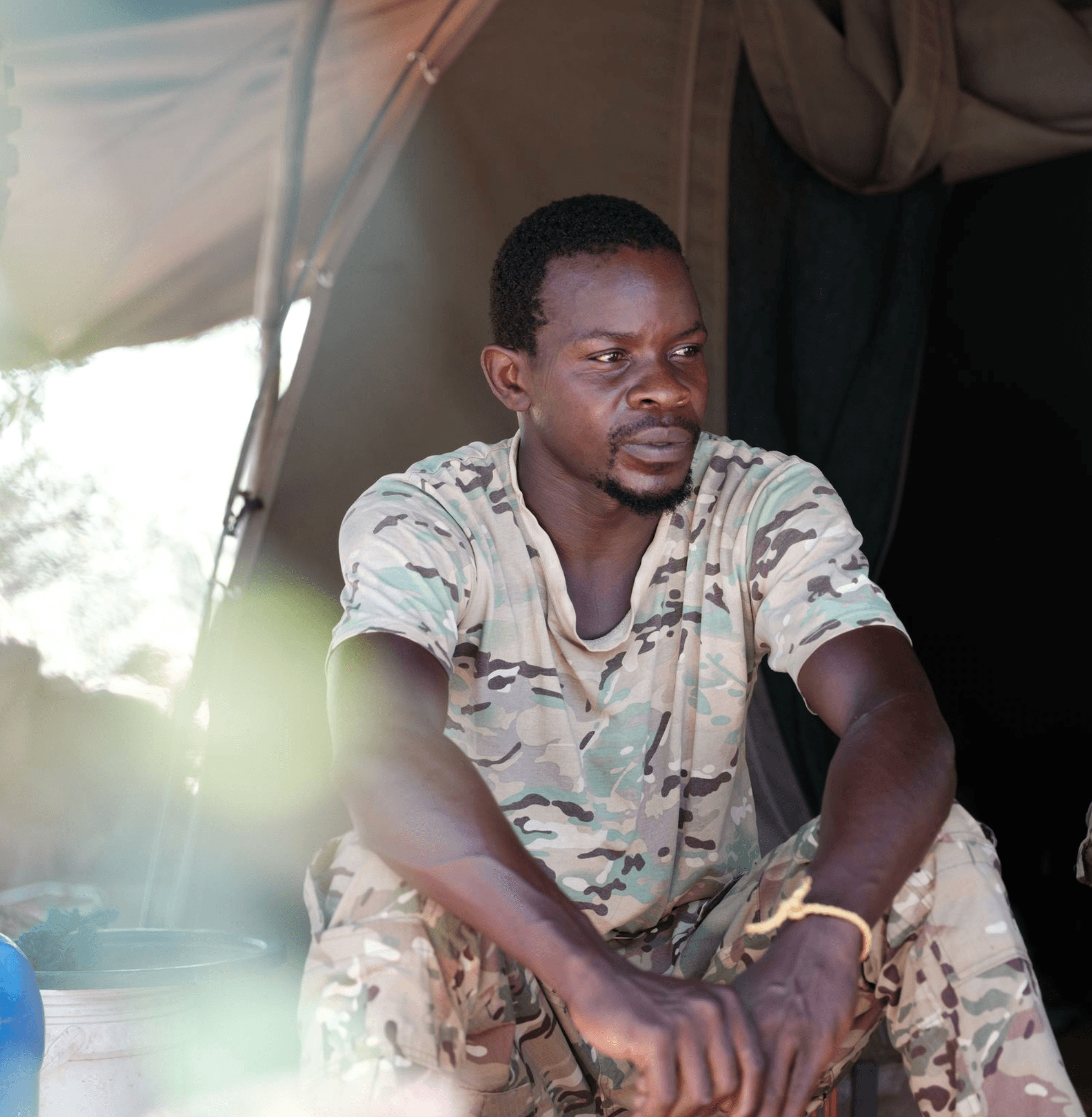
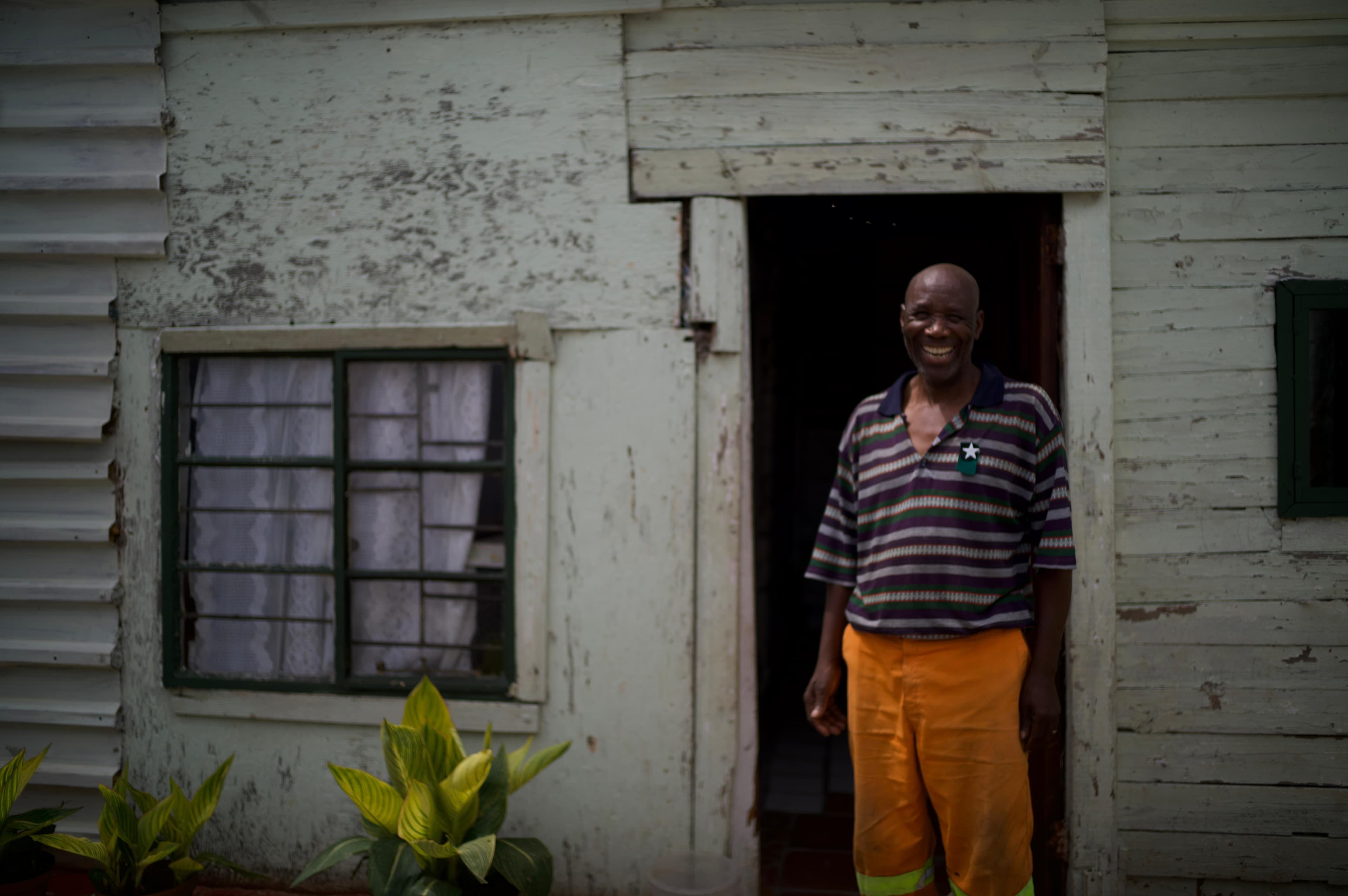
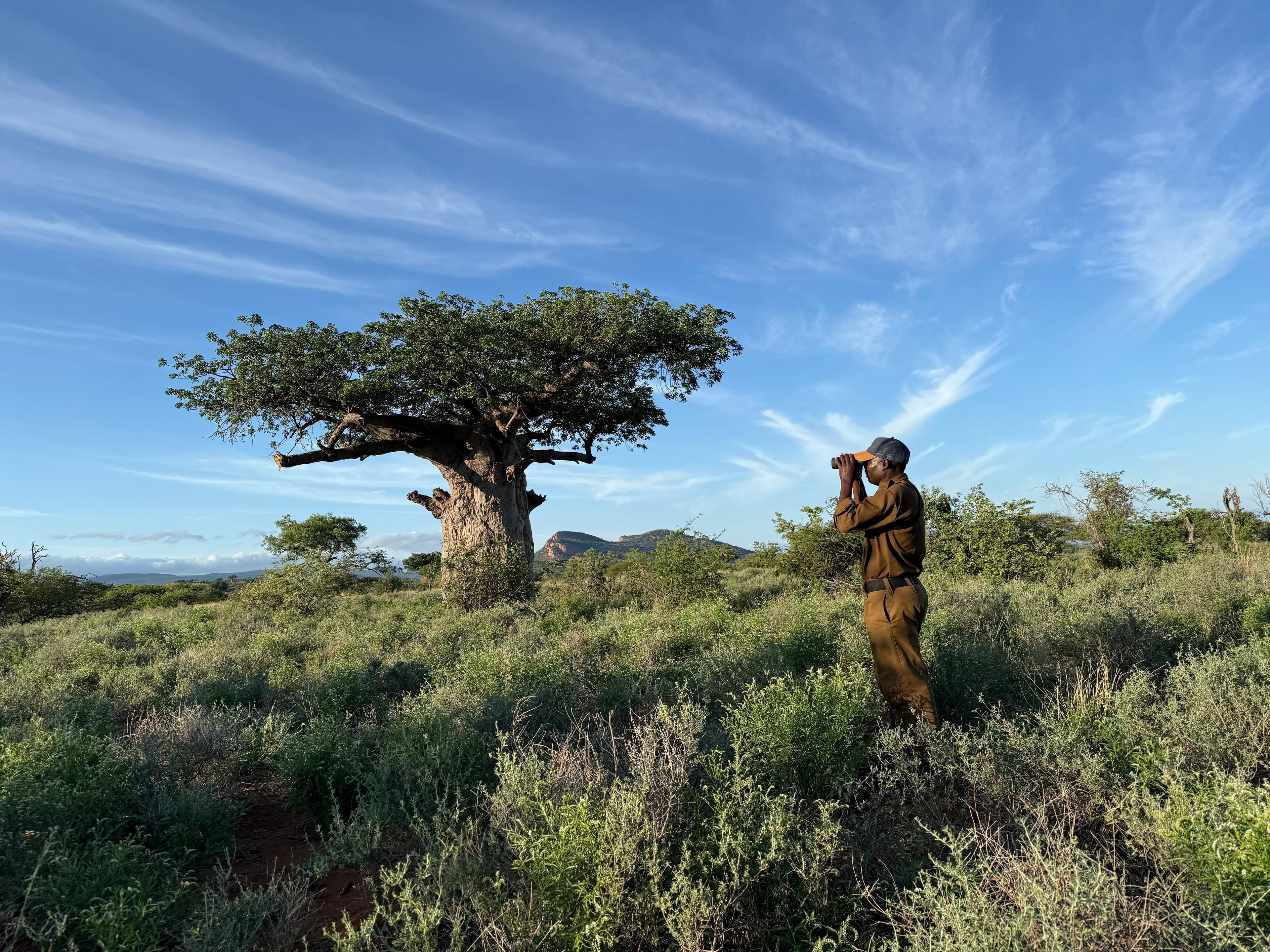
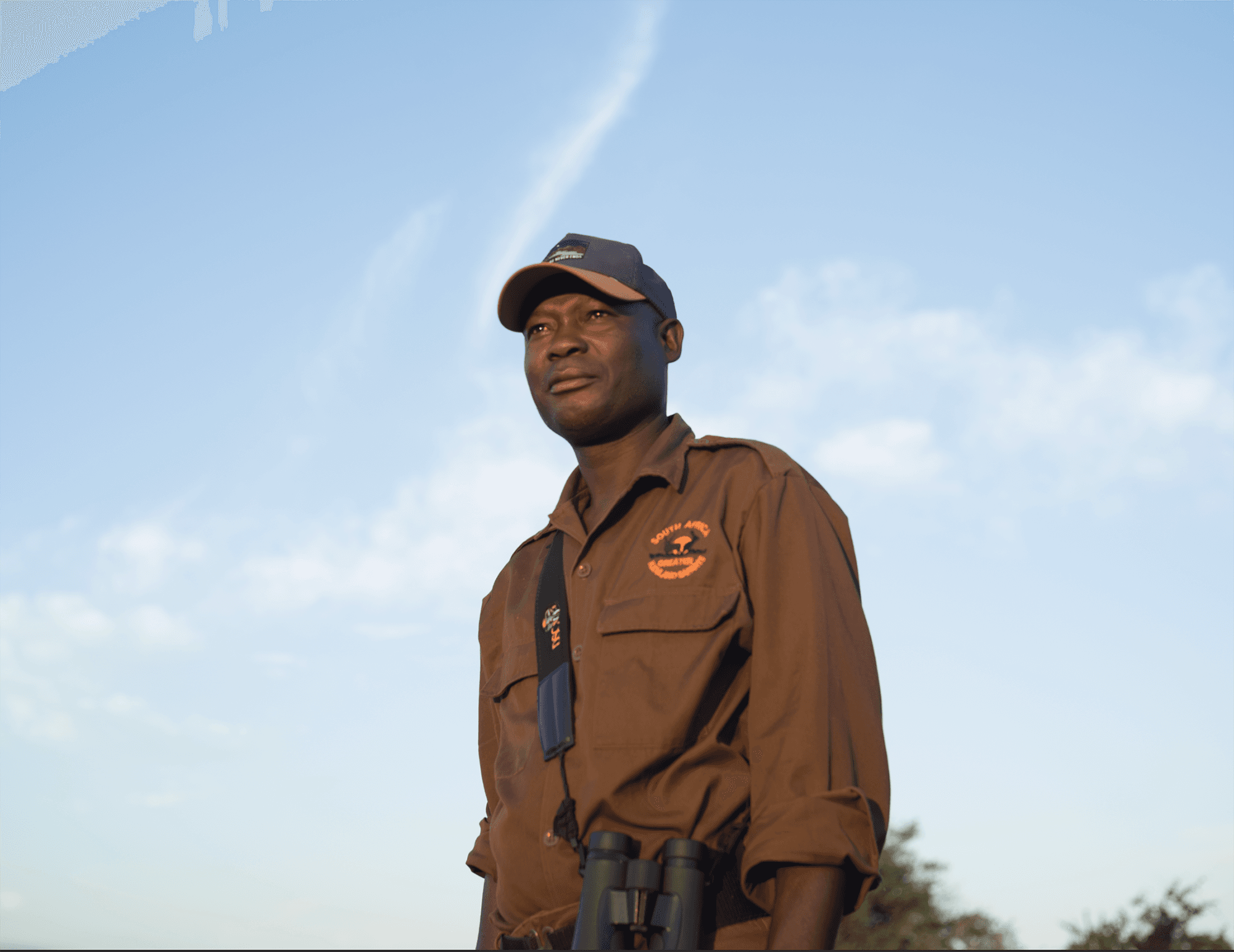
Chuma is defined by responsibility. A husband, a father, and a senior game ranger. He has spent years protecting one of the last remaining rhinos in the region, an animal he knows intimately.

When his youngest daughter is diagnosed with a rare form cancer he is confronted with an offer that weaponizes the love for his family. Does preserve a future he believes in, or save the child standing in front of him?

This is a role built on restraint rather than speech, on erosion rather than transformation. Chuma is a man who understands the cost of his actions before he commits them, and carries that knowledge with him throughout the film.

03

Maria

Female, 30's

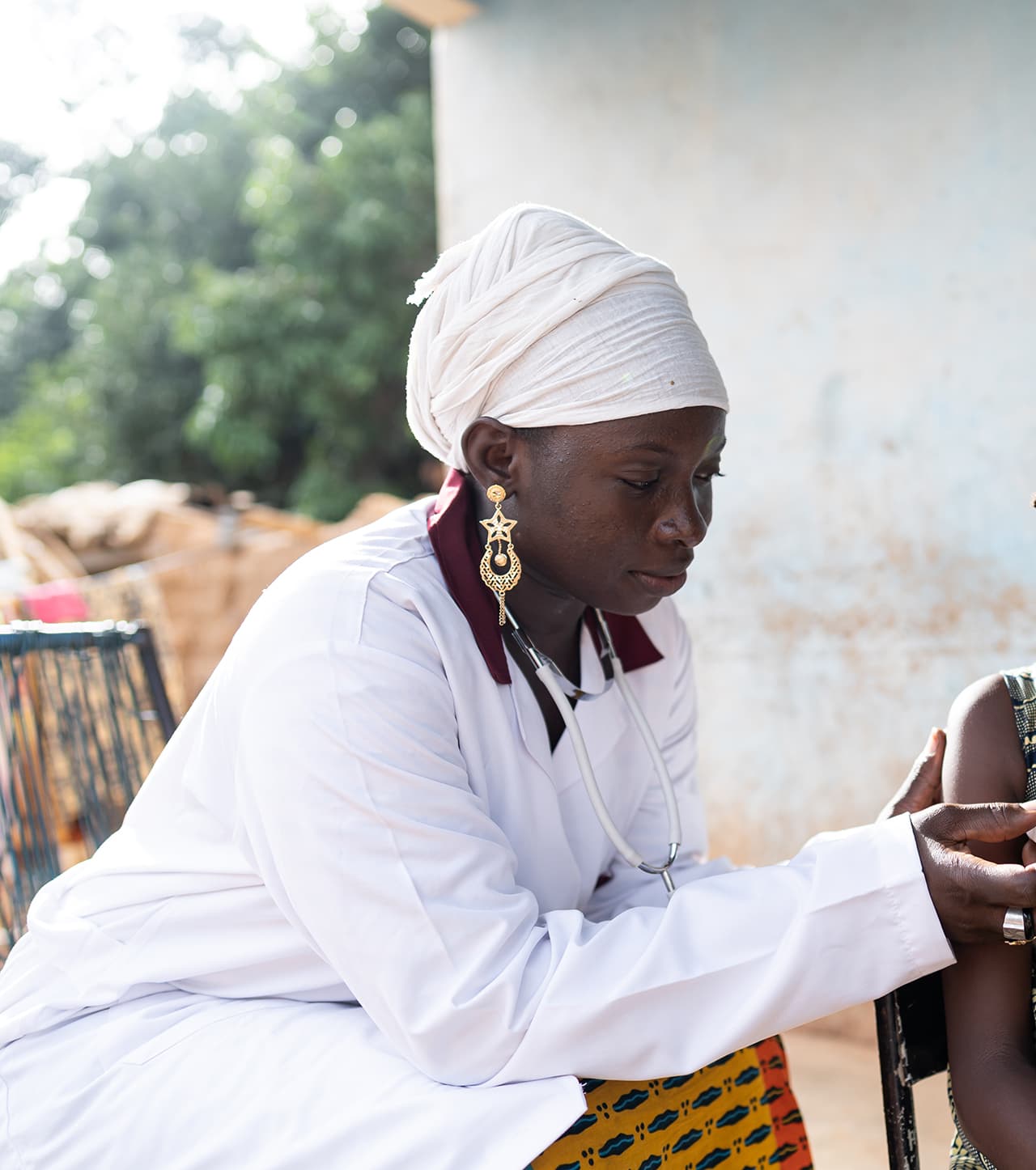
Maria is trained to save lives in a place where medicine regularly fails. As the lead physician at a rural hospital, she works within a system plagued by shortages of power, supplies and time. She is competent, disciplined and respected.

When her daughter's illness reaches the limits of the hospital and of the her country, Maria is forced into a position that strips her of professional distance. When an opportunity for treatment in Johannesburg arises she must face a truth, knowledge and skill mean nothing without access.

Maria isn't a supporting figure to Chuma's decision. She is its accelerant, a woman who knows the consequences more than anyone, and who chooses action over morality.

04

Male, early 30's

Bogani

Bogani is Chuma's nephew and fellow ranger. He is younger, restless, and unsatisfied with the limits of the life he's inherited.

He dreams of the city, status and of earning enough to pay lobola (bride price) and begin a life that feels like his own rather than assigned.

Unlike Chuma, Bogani still believes escape is possible. He stands between tradition and ambition, loyalty and self-preservation. As the situation intensifies, he is forced to face of waiting and the danger of wanting more.

This is a role driven by tension and volatility. He is a man close enough to integrity to recognize it, but not quite strong enough to live within its parameters.

05

Sifiso

Male 50+

Sifiso is a wealthy South African trader whose power lies not in violence, but in leverage. Educated, patient, and pragmatic. He is intent on poaching the horn of Magumo, one of the last Rhinos of its kind.

He understands that the most efficient way to get the horn is not through brute force, but through identifying who has the most to lose and applying pressure with precision.

Sifiso is the moral counterweight to Chuma.

His worldview is transactional, global, and ruthlessly calm and it is this composure that makes him dangerous.

06

The Rhino

Magumo

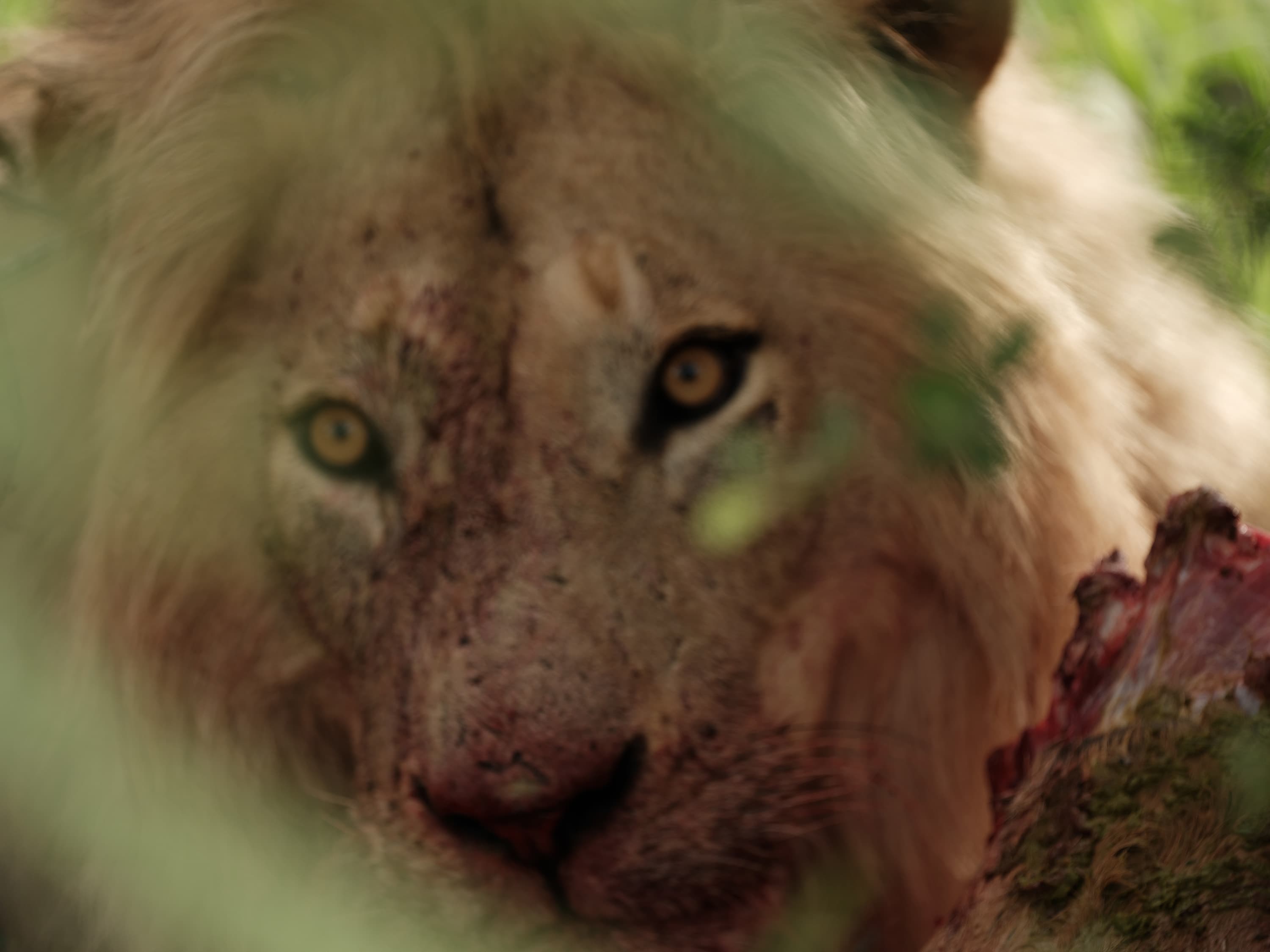
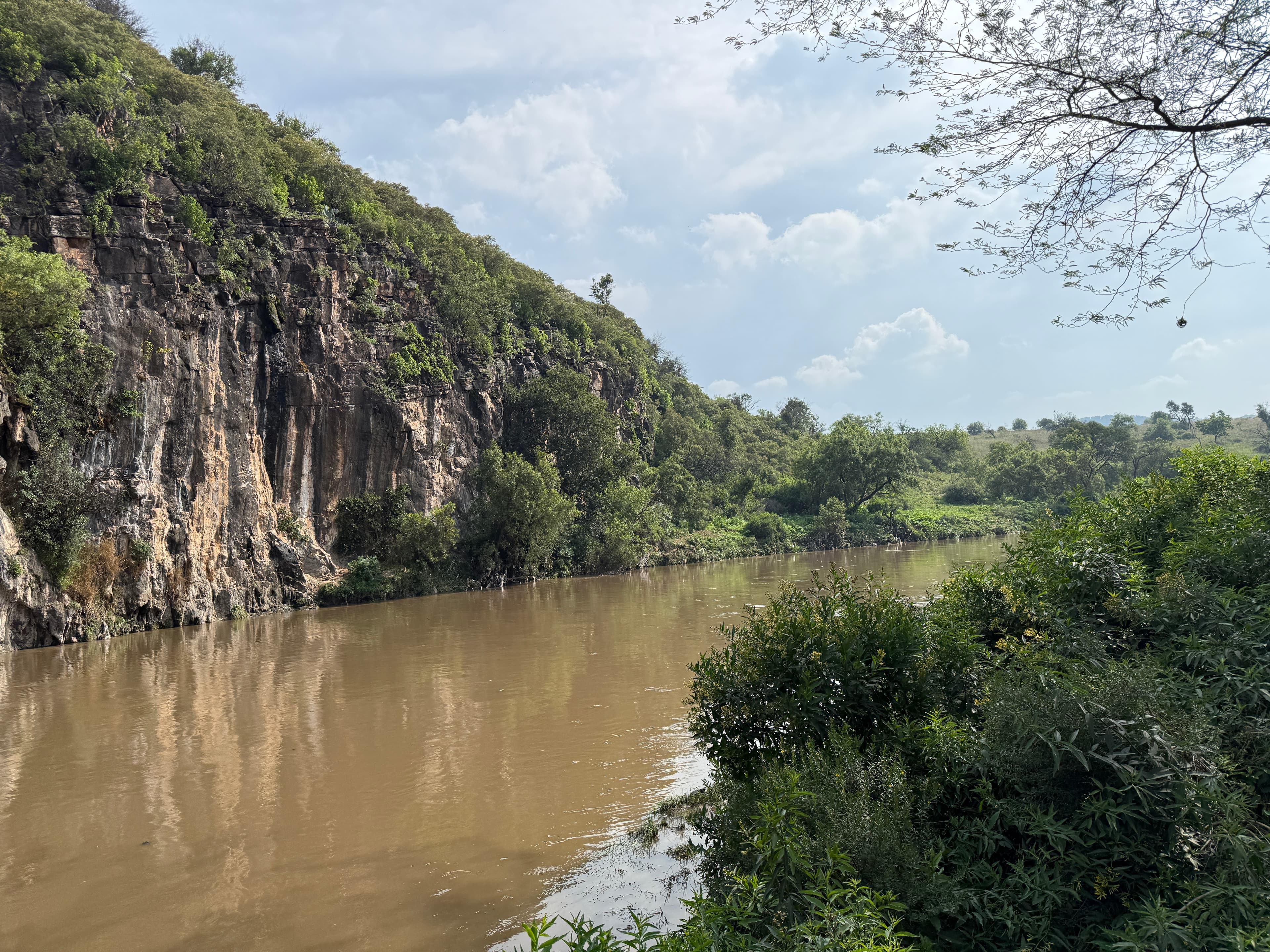
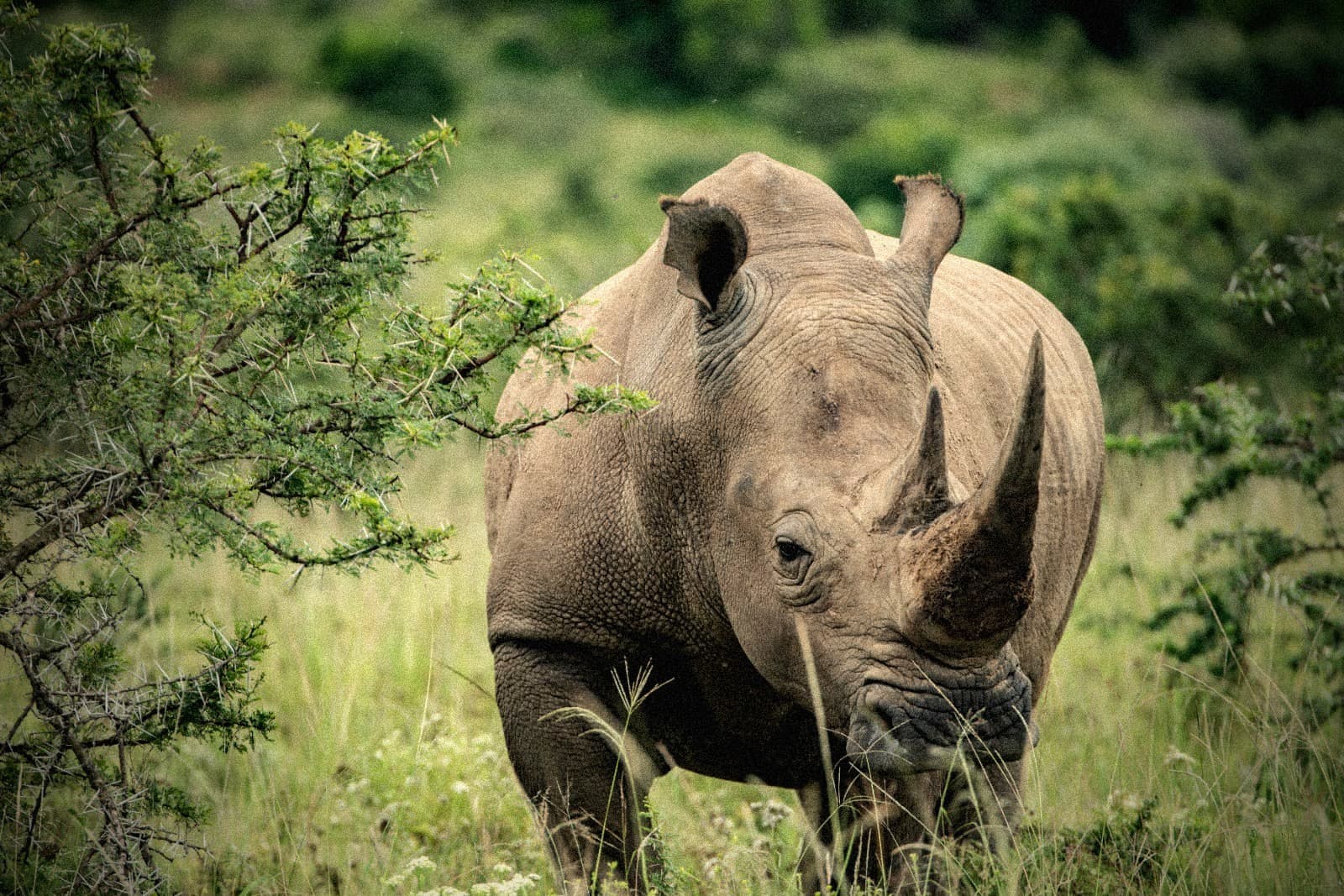
Magumo is an elder white rhino, over forty years old, living under constant protection in a remote reserve near the Limpopo River. He has survived a poaching attempt in the past and unlike most animals in his position, has never been dehorned.

To Chuma, Magumo is not a symbol, rather a friend and a great responsibility. A living presence shaped by years of bonding, routine, and trust. Their relationship is built on care rather than dominance.

Magumo exists in the film as more than an animal at risk. He represents continuity, restraint, and a future that does not belong to any of the characters.

07

The Horn is centred around a single, inescapable question:

What does a person do when the values they live by come into direct conflict with the person they love?

The film follows the slow dismantling of certainty, a lifetime of moral clarity destroyed by the imminent loss of a child. As each choice narrows, the characters are forced into action not because they believe it is right, but because doing nothing guarantees their worst nightmare.

The story does not offer judgment or release. Instead, it asks the audience to sit inside the consequences of survival and to confront the cost of choosing one future over another.

08

The film is set in the volatile borderlands of the Beitbridge region of Zimbabwe, a place where vastly different realities exist side by side, separated by little more than a fence or a river crossing.

On one side is the opulence of eco-tourism: private lodges where a single night costs more than a worker earns in a month, built around conservation zones protected by armed patrols and global capital. On the other is a service economy defined by instability where border crossings to access care, power, and opportunity is never guaranteed.

Chuma's world sits between these extremes. His family lives within reach of extraordinary wealth and natural beauty, yet remains stuck in the daily negotiations of survival.

This collision between preservation and extraction, privilege and necessity is not background. It is the environment that shapes every decision the characters make.

09

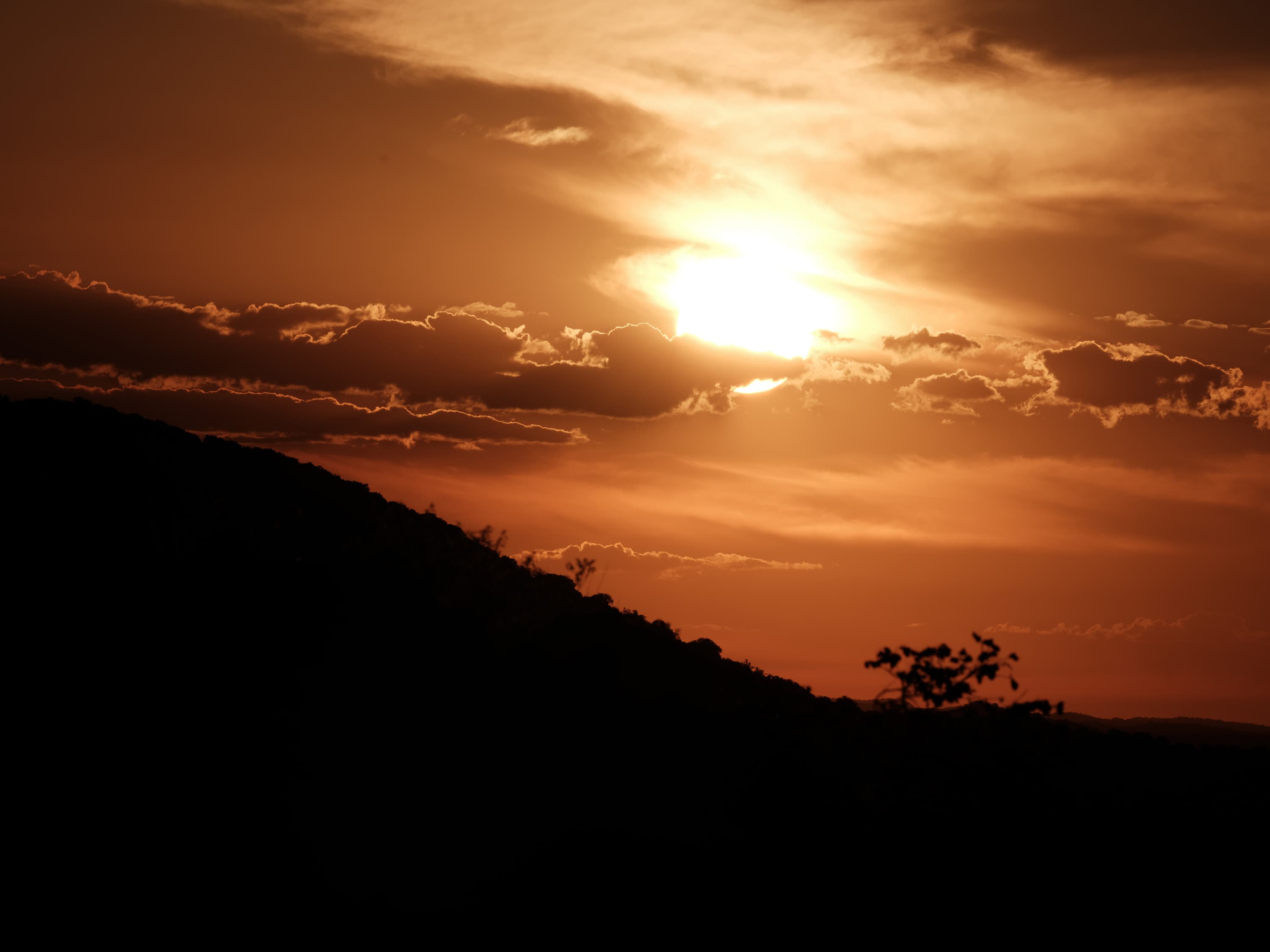
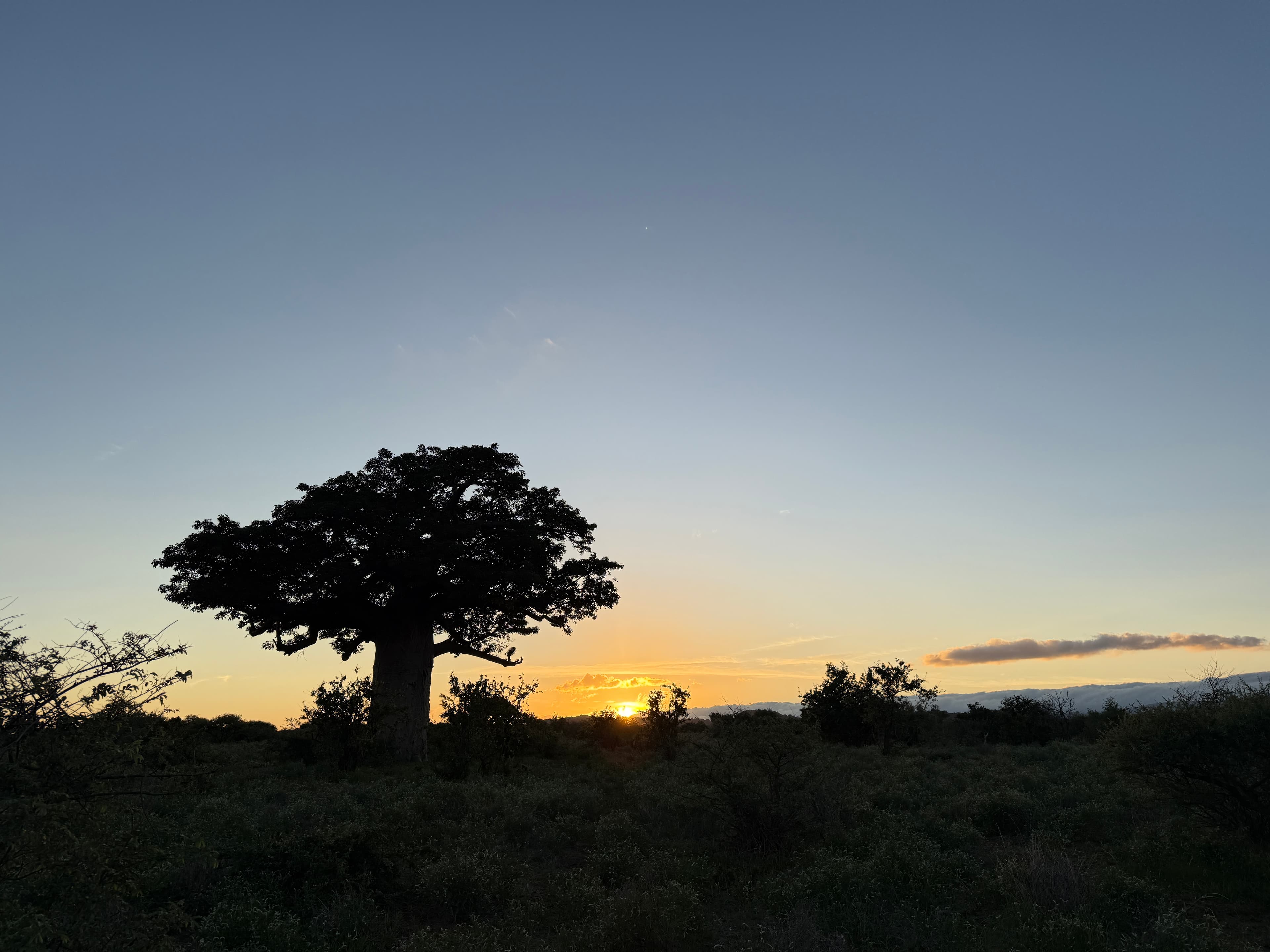
The visual language of The Horn is steeped in the natural extremes of the Zimbabwean landscape. Long, dust-heavy sunsets give way to deep winter browns and muted golds, with colour slowly shifting toward cooler greens as the world closes in on the characters.

Shot in the tradition of 35mm, the imagery favours texture over polish. Grit and realism drives the emotional pull. It leans into natural light, real distance, and physical space. The frame begins wide and expansive, emphasizing isolation and scale, before tightening as intimacy becomes evident.

The result is a world that initially feels vast and indifferent, then incredibly personal, where the land that once offered protection becomes a silent witness to irreversible decisions.

10

The Horn is a film about an impossible choice. One most of us hope we will never have to face. It exists in the space where moral certainty collapses under the pressure of love, fear, and survival.

The story is not interested in heroes or villains. It follows ordinary people who consider themselves good, devoted parents, responsible partners, principled professionals. It acts as witness to what happens when those principles can no longer coexist. The line between right and wrong does not disappear; it just becomes unlivable.

As a filmmaker, my intention is not to judge these characters but to stay close to them, to watch the quiet reasoning, hesitation and the moments where choice gives way to action. In witnessing this process, the audience is not asked to approve or condemn, but to recognize something uncomfortably human.

This film does not offer resolution. It offers reflection and the space to confront what survival can demand of us when belief is no longer enough.

11

The Horn is being packaged with a performance-first approach. The creative priority is to assemble a small, precise cast capable of carrying sustained emotional weight.

The project is designed to attract actors seeking material that is intimate, complex, and physically grounded. The supporting roles are written to exert real pressure on the lead performances, ensuring the ensemble functions as unified rather than a hierarchy.

Decisions are guided by tonal coherence and creative alignment, with the goal of building a cast that feels lived in within the world of the film.

12

The Horn is positioned for a deliberate festival launch centered on performance-led storytelling and sustained engagement rather than scale or headline visibility.

Primary international considerations include Berlin International Film Festival (Panorama or Encounters), Venice Film Festival (Orizzonti or parallel sections), and Locarno Film Festival, all of which support disciplined, actor-driven cinema. From a North American perspective, Toronto International Film Festival is considered a strategic option, particularly within Discovery or Contemporary World Cinema.

Following a premiere the film will pursue a selective festival path of quality, alignment, and meaningful opportunities for cast visibility, with an emphasis on reputation-building.

13

Bios

14
Marius D'Gasco

Marius D'Gasco

Marius D'Gasco is an independent filmmaker working in narrative features. His directorial debut, Tidepools stars Honor Swinton Byrne and Sam Spruell. His recent producing credits include Beautiful Evening, Beautiful Day (2024).

D'Gasco's work focuses on character-driven storytelling with a disciplined visual approach and an emphasis on location-based production.

15
Brett Michael-Innes

Brett Michael-Innes

Brett Michael-Innes is a writer and producer whose work has premiered at major international festivals. He produced The Heart is a Muscle which was selected as South Africa's submission to the Academy Awards.

His producing and writing credits include projects recognized with multiple SAFTA awards, including Sink and Fiela Se Kind. As writer and producer on The Horn, Michael-Innes brings extensive experience in developing character-led features for international audiences.

16
Jonathan Hall

Jonathan Hall

Jonathan Hall is a producer and director of photography with experience across international narrative features, genre films, and streaming productions. His cinematography credits include Give 'Em Hell, Malone, Charlie Valentine, and Boudica: Queen of War. He also served as producer on Tidepools.

17

The End

This deck is made entirely of real pictures and real words. No AI was used in the making of this presentation.